
Meet the Trainer
Dr Georgina Brown
Medical Director, North Star ND
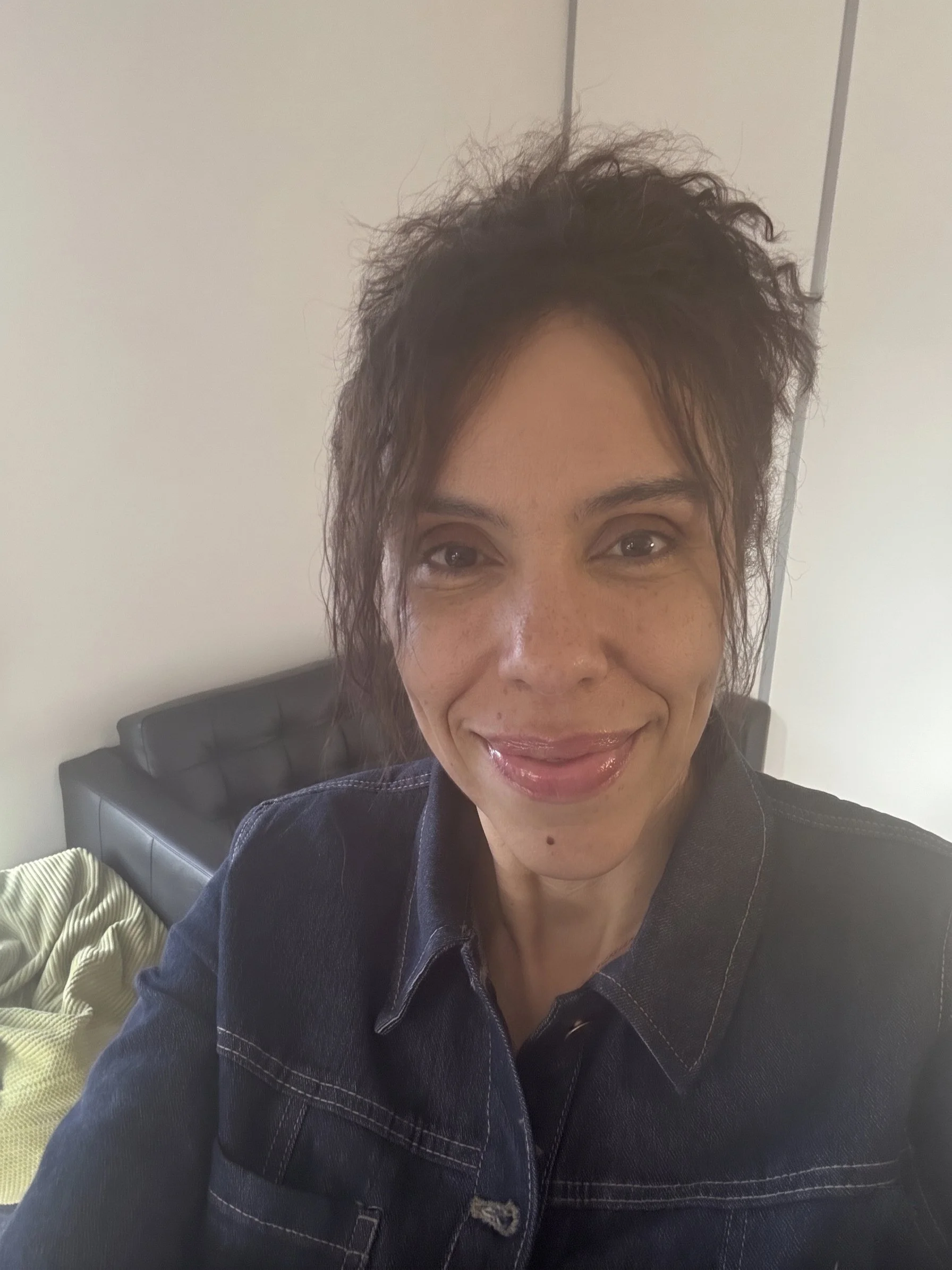
My work is grounded in real clinical practice. Every day, I work directly with people with ADHD and autism, carrying out assessments, supporting diagnosis, and managing treatment, including medication management for both children and adults. This hands-on clinical work is central to how I teach.
I am the Clinical Lead at ADHD Direct and CEO of North Star ND Ltd, where I oversee the clinical standards, governance, and development of services focused on neurodevelopmental care. My role involves ensuring that care is safe, evidence-based, and continually evolving with new research and clinical understanding. Alongside this, I am actively involved in training healthcare professionals and supporting service development in ADHD care.
Over the years, I have worked extensively in both NHS and independent healthcare settings, contributing to national discussions on ADHD care and service development. I have collaborated with the Royal College of General Practitioners in developing a competency framework for doctors working in ADHD, and am the co-author of GPwER ADHD:
https://www.rcgp.org.uk/your-career/gp-extended-roles/ADHD-framework-introduction
I am the Programme Director for the PgCert in Neurodiversity-Inclusive Healthcare, a postgraduate qualification for healthcare professionals delivered through Learna / Diploma MSc and validated by the University of South Wales. The programme supports clinicians to develop specialist knowledge in neurodiversity, including ADHD and autism, with a strong focus on neuro-affirmative, trauma-informed and inclusive clinical practice.' Instead of this below on the meet the trainer page
Postgraduate Certificate in Neurodiversity-inclusive Healthcare | Online Learning (learna.ac.uk)

Clinical Governance
Standards, Governance & Advisory Roles
I have a robust foundation in Clinical Governance and am also an Expert Witness for the General Medical Council, which serves as the regulatory body for doctors. In this role, I evaluate the care standards provided by doctors throughout the United Kingdom. I also held the position of Medical Adviser to the Scottish Public Services Ombudsman (SPSO) from 2013 to 2021. The SPSO is entrusted with evaluating and providing insights on final-stage complaints regarding public service entities in Scotland.
Over the years, I have contributed to both NHS and private service development and service improvements in both direct and advisory roles, including committee representation with the British Medical Association and subsequent committees. This includes chairing the BMA Equality and Diversity Committee, representing doctors on the Scottish Council, leading the Greater Glasgow and Clyde Scottish Deprivation Group, contributing to process development within NHS24, and taking on additional roles in local NHS children’s service development.
However, what shapes my teaching most is not simply academic knowledge — it is real clinical experience.
Qualifications
- MBChB — Bachelor of Medicine & Surgery
- MRCGP — Membership of the Royal College of General Practitioners.
- PGDip Clinical Psychiatry (Merit)
- PGCert ADHD
- ECNP Certificate — Specialist Expertise in ADHD
- ADOS-2 — Autism Diagnostic Observation Schedule
- RCGP Certificate — Management of Problem Drug Use
- Certificate in Coaching Skills for Managers
Key Roles
- CEO, North Star ND Ltd
- Clinical Lead, ADHD Direct Ltd
- Programme Director & Postgraduate Tutor, Neurodiversity in Healthcare
- Co-author, GPwER ADHD Framework (RCGP)
- Expert Witness, General Medical Council
- Former Medical Adviser, SPSO (2013–2021)
- Member, Academy of Medical Educators
Professional Memberships
- Royal College of General Practitioners
- Academy of Medical Educators (AoME)
- International Menopause Society
- European College of Neuropsychopharmacology
- BMA British Medical Association

Teaching Philosophy
In my training, I focus on helping professionals understand how ADHD and autism present in real life. I use practical examples drawn from clinical work to illustrate how assessment, diagnosis, and treatment decisions actually unfold in practice. This approach helps bridge the gap between theory and reality, allowing learners to develop confidence in applying what they learn in their own professional settings.
Understanding neurodiversity is not just about learning diagnostic criteria or guidelines. It is about recognising the lived experiences of neurodivergent individuals and understanding how professionals can provide effective, compassionate support in real-world situations.
For this reason, my training is designed to be practical, reflective, and grounded in real scenarios. Participants are encouraged to think about how knowledge translates into practice and how small changes in understanding can make a significant difference to the people they support.
Alongside my own teaching, North Star ND also invites guest trainers with substantial real-world experience in neurodevelopmental care. This ensures that the training reflects a broad range of professional perspectives and practical expertise.
My aim is simple: to help professionals move beyond theory and develop the knowledge, insight, and confidence needed to support neurodivergent individuals effectively.
I look forward to engaging with you and guiding you towards the next stage of your learning journey.
Georgina
Our Difference
Why Our Training Is Different
Many training courses focus only on theory. While understanding research and guidelines is important, professionals often find that translating this knowledge into real-life practice can be challenging.
Our training is designed to bridge that gap.
As a clinician actively working in the assessment, diagnosis, and treatment of ADHD and autism, my teaching is grounded in real clinical experience. Throughout the training I use practical examples drawn from real-world scenarios to illustrate how neurodevelopmental conditions present in everyday practice and how professionals can respond effectively.
These examples help participants move beyond simply understanding diagnostic criteria and begin to recognise the patterns, challenges, and strengths that neurodivergent individuals experience in real life.
This practical approach allows professionals to develop not only knowledge, but also the confidence to apply what they learn within their own roles and organisations.
I will also provide you with excellent resources to use in clinical practice.
Grounded in Practice
Real clinical examples, not just textbook theory
Actionable Confidence
Move beyond diagnostic criteria to recognise real-life patterns
Diverse Perspectives
Guest trainers bring broad professional expertise
Methodology
Our Approach to Neurodiversity Education
Understanding ADHD, autism and neurodiversity requires more than academic knowledge. It requires insight into how these conditions affect individuals across different environments such as healthcare, education, workplaces, and daily life.
Our training focuses on developing this deeper understanding.
Sessions combine evidence-based knowledge with real-life case discussions, clinical examples, and reflective learning. This allows participants to explore how theory translates into practice and to consider how different approaches can improve outcomes for neurodivergent individuals.
In addition to my own teaching, North Star ND occasionally invites guest trainers who bring extensive professional experience in neurodevelopmental care, education, and related fields. This ensures that participants benefit from a range of perspectives and practical expertise.
Our goal is to create learning that is informative, engaging, and directly relevant to the work professionals do every day.
Evidence-Based Knowledge
Sessions combine current research with real-life case discussions and clinical examples.
Reflective Learning
Participants explore how theory translates into practice and how different approaches improve outcomes.
Expert Perspectives
Guest trainers bring extensive professional experience in neurodevelopmental care and education.

Audience
Who Our Training Is For
Our training is designed for professionals who want to deepen their understanding of neurodiversity and improve the support they provide.
This includes: